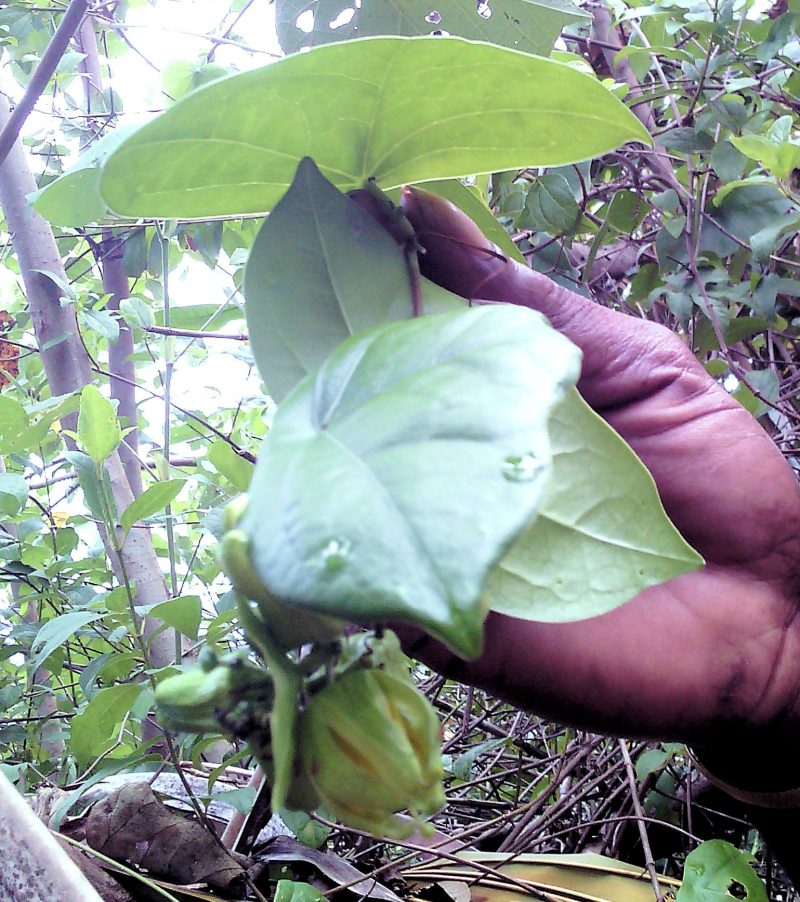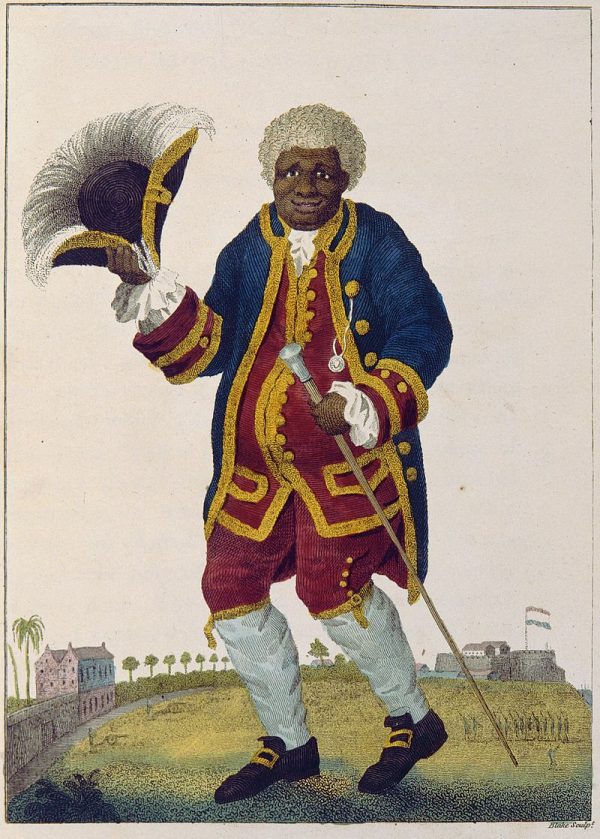
Race, Rights and Research in Caribbean Ethnobotany
RACE, RIGHTS, AND RESEARCH IN CARIBBEAN ETHNOBOTANY by Rachel Thomas It was almost twenty years ago when I first arrived in Costa Rica. Already a student of herbalism in…

RACE, RIGHTS, AND RESEARCH IN CARIBBEAN ETHNOBOTANY by Rachel Thomas It was almost twenty years ago when I first arrived in Costa Rica. Already a student of herbalism in…

Los Poderes Mágicos del Agua de Arroz La primera vez que viví en Costa Rica, fue con la familia Fonseca, bien adentro en la jungla. Rosa y…
¿Qué es la Herbología Tradicional Latinoamericana? Utilizar plantas para restaurar la salud es una tradición común en las culturas alrededor del mundo. Algunos sistemas de medicina herbaria son…
Hidden Garden will soon be home to a circle of plants which are all of African origin or of great importance in Afro-Costa Rican ethnobotany. For many years we have…
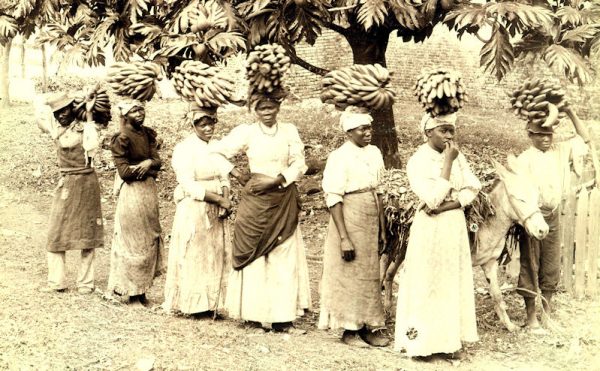
A Botanical Story of Slavery and Survival Some of the stories about the most massive forced migration in history are hard to come by. Contrary to popular belief, there…

The Complicated History of the Smilacaceae Family The first time I met a member of the Smilacaceae family was fifteen years ago. At that time I was using Mayan medicine…
Traditionally, health education in the Latin America and the Caribbean has been based on storytelling, practical experience and intensive apprenticeships. Within each community there would be different levels of health expertise, from mothers making tea for tummy aches to a regional elder who specializes in advanced levels of disease. Hidden Garden, together with the Rich Coast Project, is creating videos of local people telling their stories of ancestral wellness. With the permission of the their subjects, these videos will be included in the Rich Coast Archive online, with access available though our botanical database when relevant. This project encourages the survival of the traditional health education strategies of storytelling and communal sharing of knowledge for the good of all.